






Common Household Plumbing Problems and Practical Solutions
Household plumbing systems work quietly in the background until something goes wrong. A dripping faucet, slow drain, or low water pressure can quickly disrupt daily routines. The good news is that many common plumbing issues can be identified early and resolved with practical steps before they become expensive repairs.
This guide explains the most frequent household plumbing problems, their causes, and effective solutions homeowners can apply safely.
Leaky Faucets
A leaking faucet is one of the most common plumbing complaints in homes. Even a small drip can waste significant amounts of water over time and increase utility bills.
Common Causes
- Worn-out washers
- Damaged faucet cartridges
- Loose parts inside the handle
- Corroded valve seats
Practical Solutions
- Turn off the water supply before inspection
- Remove the faucet handle carefully
- Replace worn washers or cartridges
- Tighten loose internal components
If leakage continues after replacement parts are installed, the valve seat may require professional servicing.
Slow or Clogged Drains
Slow drainage typically develops gradually and signals buildup inside pipes. Ignoring the issue often leads to complete blockage.
Common Causes
- Hair accumulation in bathroom drains
- Soap residue buildup
- Food scraps in kitchen sinks
- Grease deposits inside pipes
Practical Solutions
- Use a plunger to loosen blockages
- Pour hot water to dissolve grease buildup
- Remove visible debris from drain openings
- Use a drain snake for deeper clogs
Avoid chemical drain cleaners whenever possible because repeated use may damage pipes.
Running Toilets
A continuously running toilet wastes large amounts of water daily. Fortunately, the internal components responsible are easy to inspect and adjust.
Common Causes
- Faulty flapper valve
- Improper float height
- Worn flush valve seal
- Loose refill tube
Practical Solutions
- Open the tank lid and inspect components
- Adjust the float height if water level is too high
- Replace worn flapper valves
- Ensure refill tube is positioned correctly
These adjustments often restore normal function within minutes.
Low Water Pressure
Low water pressure affects showers, sinks, and appliances. The cause may be minor or indicate a larger plumbing concern.
Common Causes
- Sediment buildup in aerators
- Partially closed shutoff valves
- Hidden pipe leaks
- Mineral deposits inside plumbing fixtures
Practical Solutions
- Remove and clean faucet aerators
- Check that shutoff valves are fully open
- Inspect visible pipes for leaks
- Clean shower heads using vinegar soaking
Persistent pressure issues throughout the house may require professional inspection.
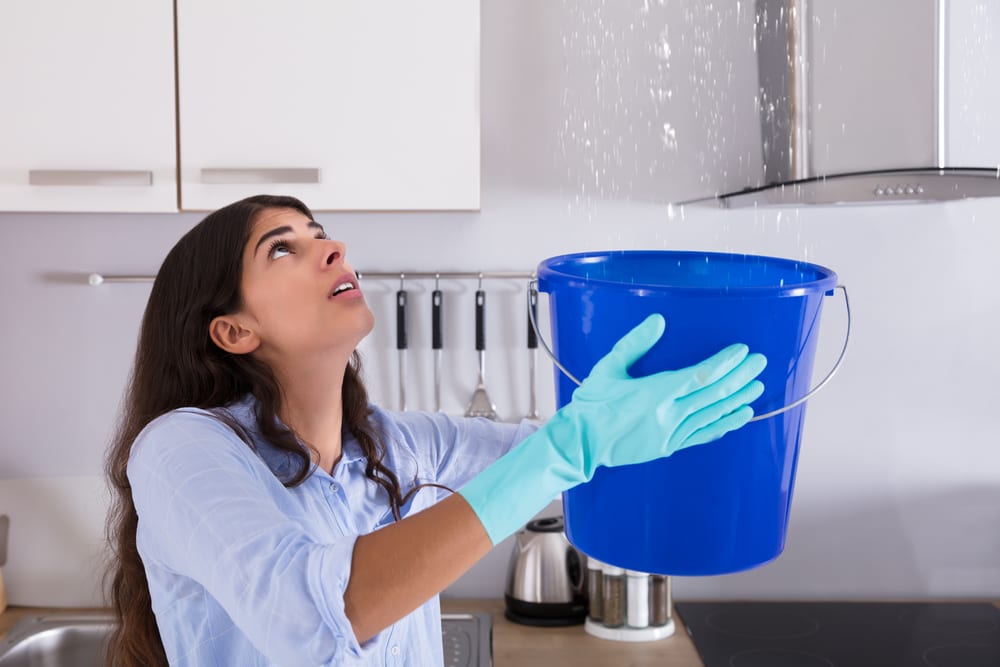
Dripping or Leaking Pipes
Pipe leaks often occur under sinks, behind appliances, or along exposed plumbing lines. Early detection prevents structural damage and mold growth.
Common Causes
- Loose pipe joints
- Corrosion
- High water pressure
- Cracked pipe sections
Practical Solutions
- Tighten loose connections carefully
- Apply temporary pipe repair tape
- Replace damaged pipe segments
- Monitor surrounding areas for moisture
Temporary fixes help immediately, but long-term solutions require proper replacement of damaged sections.
Water Heater Problems
Water heaters are essential for daily comfort. When they malfunction, the issue is usually noticeable right away.
Common Causes
- Sediment accumulation inside the tank
- Thermostat misconfiguration
- Pilot light failure
- Aging heating elements
Practical Solutions
- Flush the tank periodically to remove sediment
- Adjust thermostat settings carefully
- Relight pilot light if required
- Replace worn heating elements when necessary
Routine maintenance extends the lifespan of water heaters significantly.
Overflowing Fixtures
Overflowing sinks or bathtubs often result from unnoticed blockages or drainage issues that worsen over time.
Common Causes
- Blocked overflow drains
- Severe pipe clogs
- Faulty stoppers
- Drain venting issues
Practical Solutions
- Clean overflow openings regularly
- Remove stopper buildup
- Clear drain obstructions early
- Monitor drainage speed during use
Addressing slow drainage early helps prevent sudden overflow incidents.
Noisy Pipes
Strange sounds from pipes usually indicate pressure imbalance or loose fittings.
Common Causes
- Water hammer effect
- Loose pipe supports
- High water pressure
- Air trapped in pipes
Practical Solutions
- Secure loose pipe brackets
- Install pipe insulation sleeves
- Reduce water pressure slightly
- Release trapped air through fixtures
Ignoring unusual pipe sounds may lead to future leaks or joint failure.
Preventive Maintenance Tips for Homeowners
Regular maintenance reduces the likelihood of sudden plumbing failures.
Helpful habits include:
- Checking visible pipes monthly
- Cleaning drains periodically
- Inspecting faucets for early leaks
- Testing toilet components occasionally
- Flushing water heaters annually
Preventive attention saves both time and repair costs over the long term.
Frequently Asked Questions
How often should household drains be cleaned to prevent clogging
Drains should be cleaned every few weeks using hot water flushing and occasional manual debris removal to prevent buildup from becoming severe.
What are early warning signs of hidden pipe leaks inside walls
Common signs include unexplained damp patches, peeling paint, mold odor, or sudden increases in water bills.
Is low water pressure always a plumbing issue inside the home
Not always. It can also result from municipal supply problems or maintenance work in the surrounding area.
Can hard water affect plumbing fixtures over time
Yes. Hard water leaves mineral deposits inside fixtures and pipes, which can reduce efficiency and shorten their lifespan.
When should a homeowner replace instead of repair a faucet
Replacement is recommended when corrosion is extensive or when leaks continue despite replacing washers and cartridges.
Why does my toilet occasionally make refilling sounds without flushing
This usually indicates a slow leak from the tank into the bowl due to a worn flapper or faulty valve seal.
How can seasonal temperature changes impact plumbing systems
Cold weather may cause pipes to contract or freeze, while heat can expand materials and stress joints, increasing the risk of leaks if insulation is insufficient.

Related Posts


